What Is Wrapper Film and Which Type Is Best for Buyers?
Wrapper Film is a practical packaging material used to protect products, combine units, and improve shelf presentation. Buyers may see it around food trays, retail packs, cartons, or industrial components. Its clear surface can reveal the product while limiting dust, moisture, and handling marks. However, appearance alone does not prove performance.
Choosing the best Wrapper Film requires more than comparing prices. Experienced buyers examine film thickness, tensile strength, sealing behavior, clarity, shrink response, and storage conditions. A film that works well on a fast wrapping machine may fail on a slower line. It may wrinkle, split, or seal unevenly. Small details matter.
Real testing helps.
Reliable suppliers should provide technical data, batch information, and practical guidance. Buyers should also confirm whether the film suits the product, equipment, and intended distribution environment. For example, a frozen item may need different flexibility from a dry retail box. A glossy film may attract attention, but it can show scratches more clearly.
There is no universal best type. That conclusion sounds simple, yet it is often overlooked. The right choice depends on protection needs, machine settings, appearance goals, sustainability expectations, and total cost. Buyers should request samples and run realistic trials before placing large orders. Even then, results may vary between production batches. Careful records, supplier communication, and periodic quality checks can reduce surprises.
This guide explains the main Wrapper Film options and the practical factors behind a dependable purchase. It also examines common selection mistakes, because even experienced teams sometimes value appearance over performance.
What Is Wrapper Film and How Does It Work?
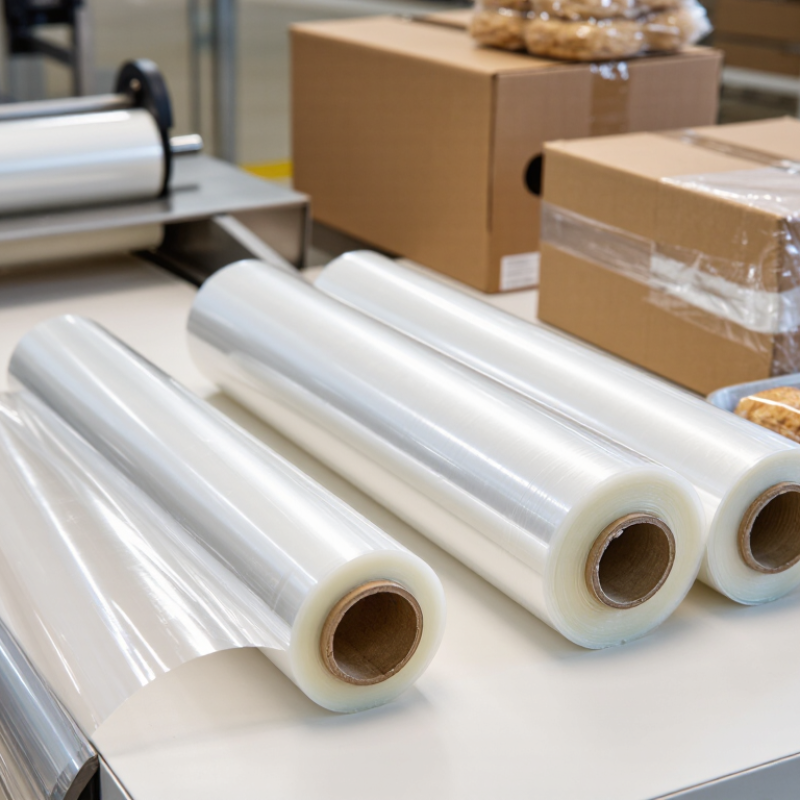
Wrapper film is a thin plastic layer used to secure, protect, or group products. It works through tension, heat, or both. Stretch film clings around cartons when pulled. Its elastic recovery creates pressure, keeping loads stable during storage and transport. Shrink film behaves differently. Heat makes it contract tightly around an item.
The main types include stretch film, shrink film, and flow-wrap film. Buyers should match the film to the product, machine, and handling conditions. A warehouse pallet may need puncture-resistant stretch film. A retail tray may need clear shrink film for visibility. Flow-wrap film suits individual products and forms a sealed package around them. According to the Flexible Packaging Association’s 2024 State of the Flexible Packaging Industry Report, the U.S. flexible packaging market reached about 39.8 billion dollars in 2023. This scale shows why small material choices can affect major operating costs.
Tips: Test three film samples before purchasing. Check load weight, corner sharpness, cling, seal strength, and storage temperature. Ask for measured thickness, not only a “heavy-duty” label. Smithers’ report, The Future of Global Stretch and Shrink Films to 2028, identifies continuing demand for film efficiency and downgauging. Thinner film can reduce material use, but it may tear earlier. That trade-off deserves honest testing. A film that looks cheaper per roll may create more waste, damaged loads, and slower packing. The best choice is not always the thinnest option.
Which Materials and Structures Are Used in Wrapper Film?
Wrapper film is rarely a single material. It is usually an engineered structure, built for sealing, printing, barrier protection, and controlled strength. Common layers include polyethylene (PE), polypropylene (PP), polyester (PET), and polyamide (PA). PE often forms the heat-sealing layer. PET adds stiffness and print stability. PA improves puncture resistance, especially around sharp or frozen products.
Barrier needs change the structure. Ethylene vinyl alcohol (EVOH) limits oxygen transfer. Aluminum foil blocks light, oxygen, and moisture, but it complicates recycling. Coated films can reduce this trade-off. Paper-based laminates provide a natural appearance, yet they may need polymer coatings for reliable sealing. Mono-material PE or PP structures are gaining attention because they can simplify recycling systems. They still require careful design.
The OECD’s Global Plastics Outlook (2022) reported that packaging created about 40% of global plastic waste in 2019. That figure makes material selection more than a technical decision. Buyers should request oxygen transmission rate, water vapor transmission rate, seal strength, puncture resistance, and migration test results. Real packaging trials matter more than a polished data sheet. A film that performs well on a supplier’s machine may wrinkle on another line. This happens.
Smithers’ flexible packaging research also identifies downgauging and recyclable structures as continuing industry directions. However, thinner film is not automatically better. A failed seal can create more waste than a slightly thicker, dependable structure. The best wrapper film depends on product sensitivity, filling speed, storage humidity, printing needs, and available recycling infrastructure. No structure wins every test.
What Are the Main Types of Wrapper Film?
Wrapper film protects products from moisture, dust, friction, and handling damage. The best type depends on the product, machine, climate, and recycling plan. No film wins every time.
PE film is flexible, tough, and common for stretch wrapping and transport loads. It performs well around uneven cartons.
PP film offers better clarity and stiffness, making it useful for retail packs and visual presentation.
Shrink film, often made from PE or polyolefin, tightens around products after controlled heating. It creates a neat surface but needs accurate temperature settings. PVC film can provide strong cling, although buyers should review local disposal requirements before choosing it.
Barrier films add layers such as PET, nylon, or metallized coatings. They help reduce oxygen, light, and moisture transfer. This matters for sensitive food and medical packaging.
The Flexible Packaging Association reported that flexible packaging generated about 21% of the U.S. packaging market by value in 2023. Smithers also identifies lightweight films as a continuing growth area through 2029. These figures show demand, not automatic suitability. A thinner film may lower material use, but it can fail during transport.
Tips: Test film on the actual machine. Check puncture resistance, seal strength, clarity, and storage temperature. Ask for technical data sheets and independent test results. Recyclability claims need careful review. Sometimes, the “greener” option performs poorly and creates more waste.
Which Wrapper Film Is Best for Different Buyer Needs?
Wrapper film is not one universal product. The best choice depends on load weight, product shape, storage conditions, and packing speed. An experienced buyer starts there.
Stretch film suits pallets, cartons, and irregular loads that need tension during transport. Hand-applied rolls work for low-volume packing, while machine film improves consistency in busy warehouses. For fragile corners, use thicker film or edge protectors. Thin film can fail when tension is set too high.
Shrink film is better for compact bundles, retail multipacks, and products needing a tight, clear sleeve. It needs controlled heat, so buyers should check equipment settings before ordering large quantities. Polyolefin film often offers clear presentation and broad packaging use, while polyethylene film suits heavier, simpler bundles. For direct food wrapping, select film approved for food contact in the target market. Never assume similar-looking films have identical compliance.
Cling film serves small food containers and short-term covering, not usually pallet stabilization. Buyers focused on waste should compare gauge, recycled content, puncture resistance, and actual film consumption. A thinner roll is not automatically greener. Ask for technical data, then test a few cartons under real warehouse conditions. Measure tears, loose tails, seal quality, and material used per package. That trial may expose an inconvenient truth: the cheapest film can cost more when rewrapping and damage are counted. Needs differ.